
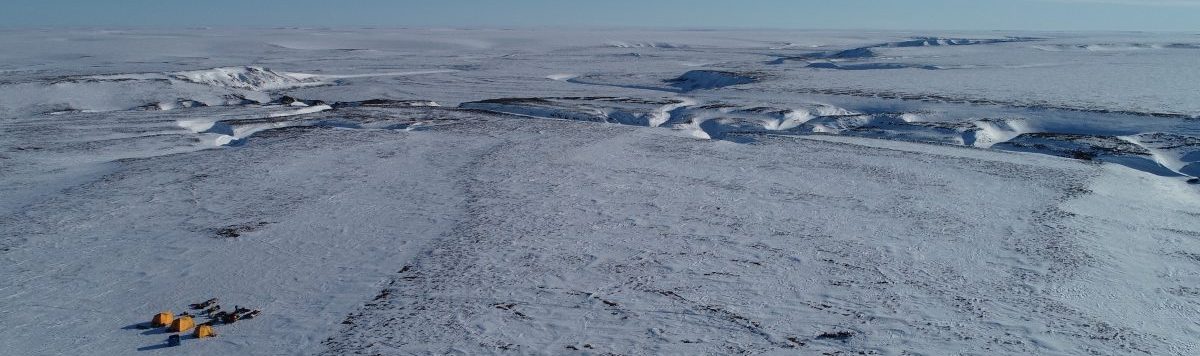
My research interests include studying cryosphere and hydrological processes using a combination of noninvasive field geophysical methods, field observations, geophysical modeling, remote sensing, and laboratory measurements. I employ a variety of near-surface geophysical methods, including ground penetrating radar, transient electromagnetics, electrical resistivity tomography, nuclear magnetic resonance, and seismic refraction and reflection.
I am actively recruiting graduate students to join my research group in Fall 2025. If you are interested, please contact me at rodrigo.rangel@utoronto.ca.
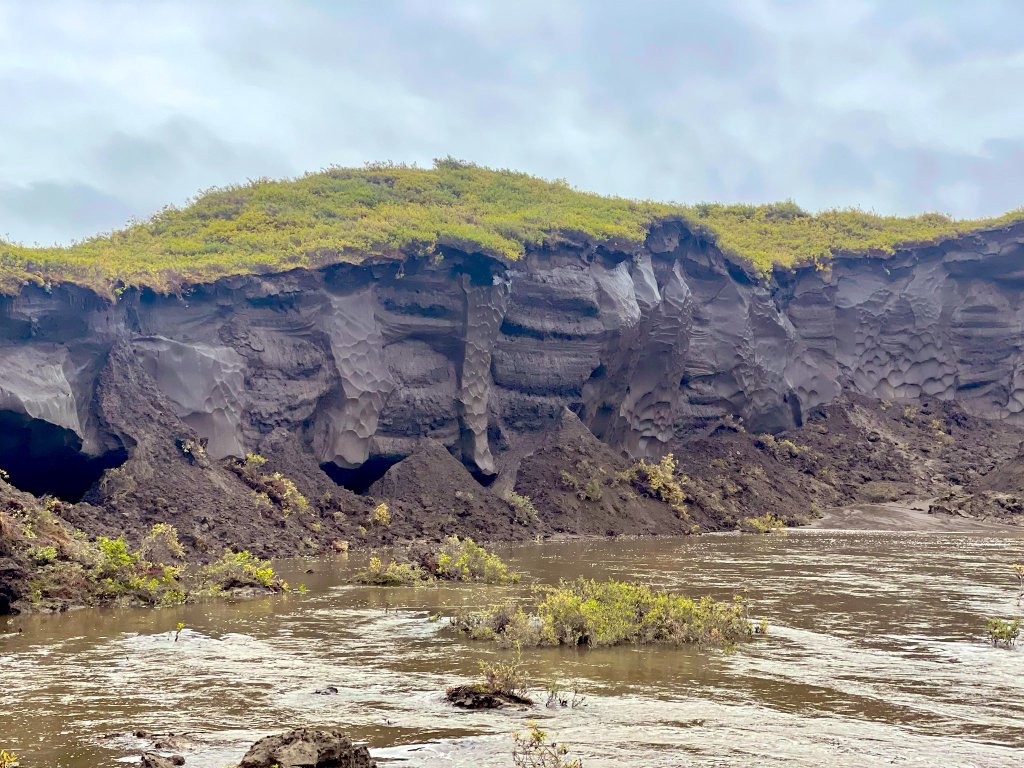
Permafrost Processes
Permafrost is estimated to store ~20% of the total terrestrial carbon stock. As permafrost thaws, carbon that has been stored for thousands of years is being remobilized to the modern carbon cycle, and climate warming increases this remobilization. However, there are large uncertainties in permafrost carbon feedback that limit climate change projections.
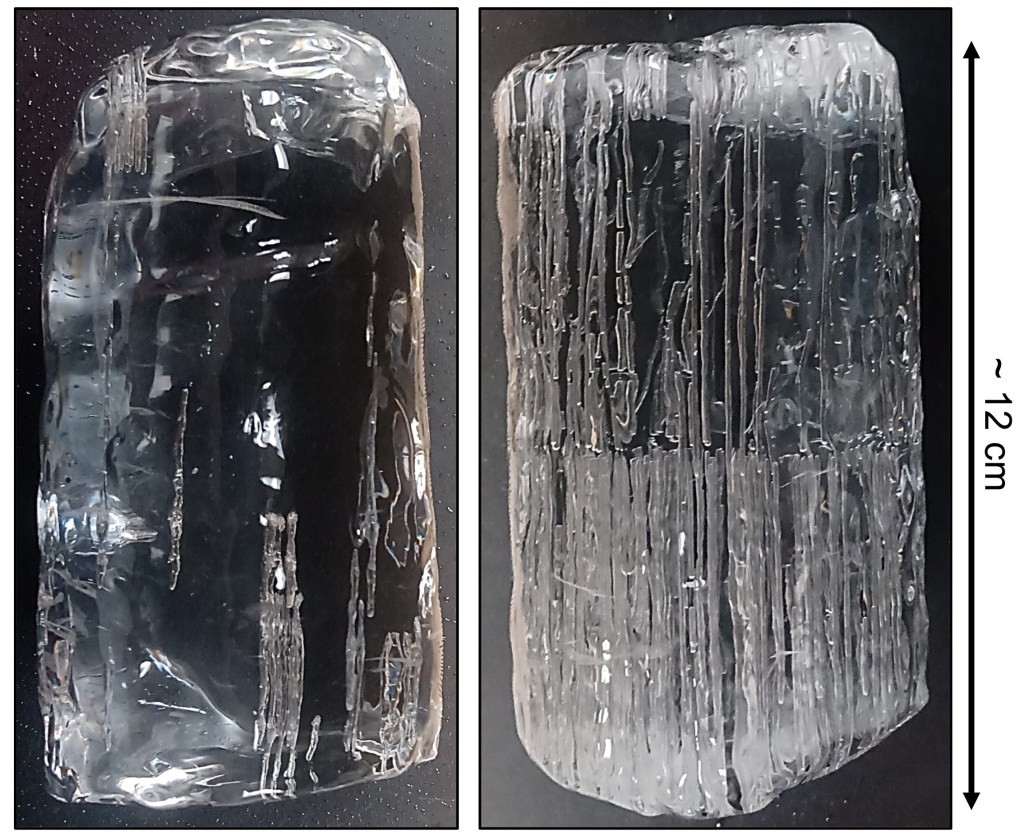
Lake Ice Properties
High-latitude lakes are responsible for ~2/3 of natural methane emissions. The measurement of lake ice properties is critical for understanding ice growth processes and better projecting the impacts of climate warming.

Arctic Drained Lake Basins
The formation, growth, and drainage of lakes in Arctic permafrost regions drive spatial and temporal landscape and ecosystem processes, including permafrost aggradation, which have implications for the water and carbon cycles. Arctic lake drainage rate is predicted to increase as permafrost thaws due to climate change.

Snow Hydrology
Snow accumulation represents a significant water storage component during spring and summer snowmelt. The amount of snow stored and the timing of snowmelt comprise critical components of the hydrological cycle, but they are still poorly understood and quantified on regional scales.
 Rodrigo Corrêa Rangel